How Should a Suit Fit? The Complete Answer
How a suit should fit, checkpoint by checkpoint: shoulders, collar, chest, length, sleeves and trousers, plus the movement test and what a tailor can fix.
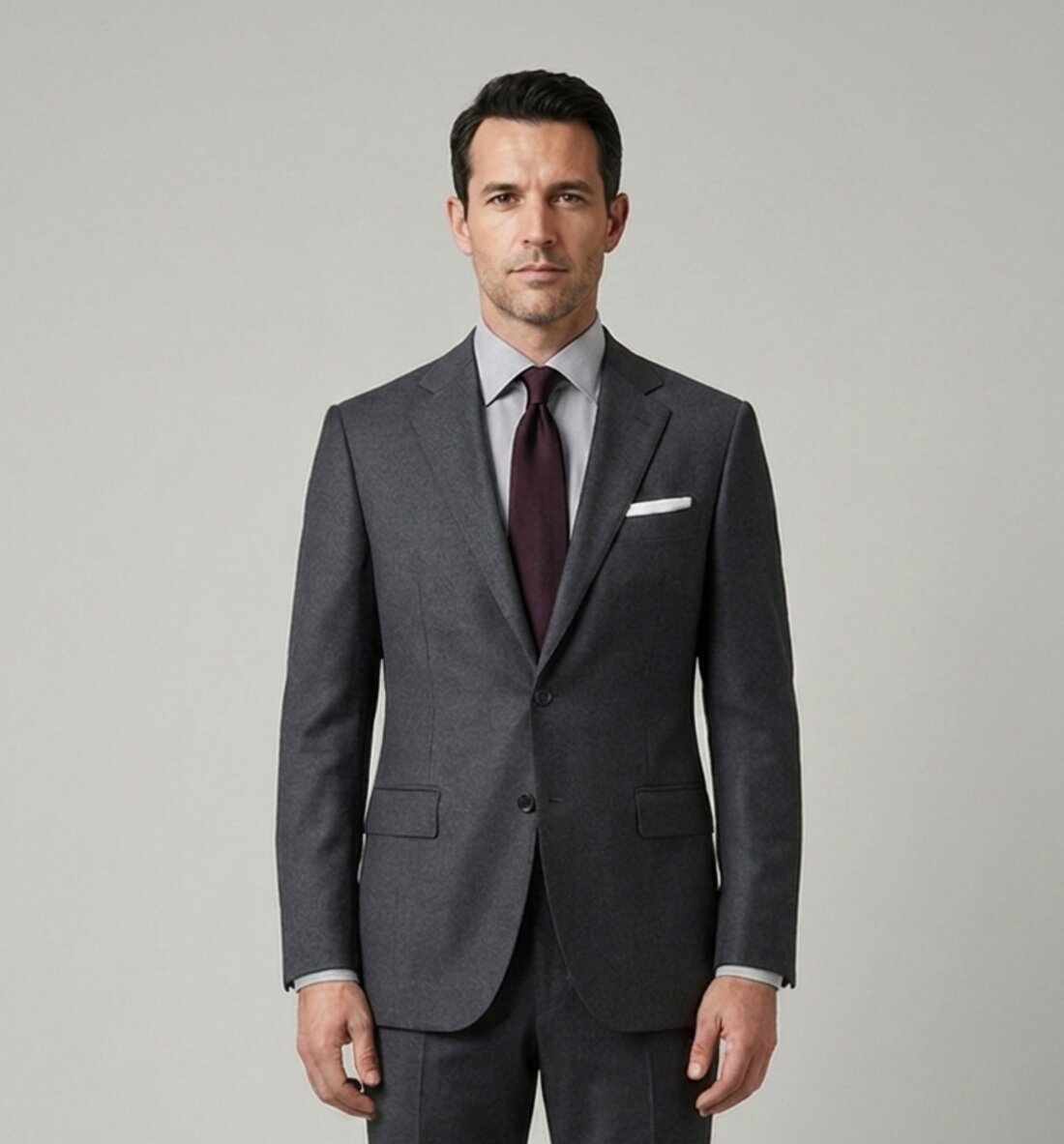
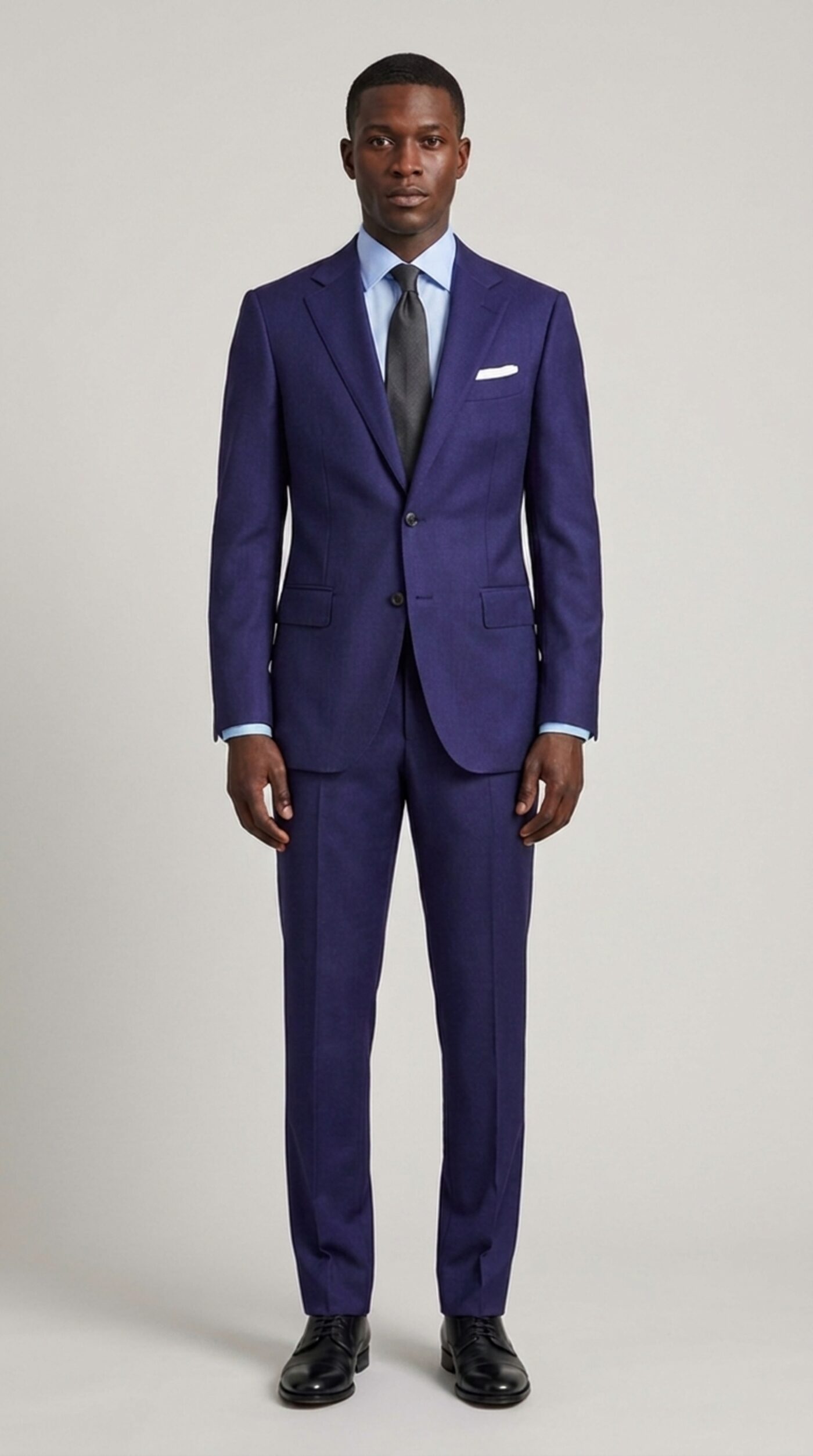
A suit fits when the shoulder seam ends where your shoulder ends, the jacket closes without pulling, the collar rests against your neck, a quarter to a half inch of shirt cuff shows, and the trousers land on your shoes with a slight break. Everything else is preference.
I am Derek Burbidge, Cardero's Owner and Founder, and I have fitted thousands of men since 2015. This is the order I check a suit in, from the top down, because that is the order in which problems get expensive. Shoulders cannot be fixed. Almost everything below them can.
The shoulders
Stand square in front of a mirror. The jacket's shoulder seam should sit directly above the end of your own shoulder.
Too wide, and you get a dent below the seam and the look of a jacket borrowed from a bigger man. Too narrow, and the seam digs in and pulls creases toward your arm. Neither can be properly altered, because re-cutting a shoulder means taking the jacket apart. This is the one checkpoint to be uncompromising about. Our shoulder fit guide goes deeper.
Start here.
- Suits for Bodybuilders and Muscular Men: How to Get the Fit Right, and Where to Order
- How a Dress Shirt Should Fit
- Suits for Broad Shoulders: Why Most Jackets Fail, and the Cut That Fits
- How a Waistcoat Should Fit
- Trouser Fit Guide for Men: Why the Break, Seat, Rise and Thigh Matter More Than the Waist
- The Most Common Suit Fit Mistakes
The collar
The jacket collar should rest against your shirt collar all the way around, with about half an inch of shirt collar showing above it. A gap at the back of your neck usually means the jacket does not fit through the upper back.
The chest and the button
Do up the top button. The jacket should close with no strain and no X-shaped creases spreading from the button. Slide a flat hand under the lapel: it should go in comfortably, with no room for a second hand. The lapels should lie flat on your chest. If yours pulls, here is why a jacket pulls at the button.
The jacket length
With your arms relaxed at your sides, the hem should land around the knuckles of your closed hand. That covers your seat and keeps the jacket and leg in proportion. Much shorter dates quickly. Much longer starts to look like a coat.
The sleeves and the cuff
The sleeve ends at your wrist bone and shows a quarter to a half inch of shirt cuff. Less, and the jacket looks big. More, and it looks borrowed from someone smaller. Sleeve length is an easy alteration, so never reject a jacket for it. Sleeve width is not, which matters most if you have big arms. More in our suit sleeve length guide.
The trousers
The waistband should sit where it belongs without a belt holding it up. Through the seat and thigh, the trousers should follow you without gripping. At the hem, aim for a slight break: the trousers rest on the top of your shoe with one soft fold. See the full trouser fit guide.
The movement test
None of this can be judged on a hanger, or standing still. Put the suit on, do it up, and then:
- Sit down and stand up. The jacket should not ride up past your collar, and the trousers should not grip your thighs.
- Reach forward as if for a steering wheel. A little pull across the back is normal. Sleeves riding halfway up your forearm is not.
- Raise your arms to shoulder height. The whole jacket should not lift with them.
- Put your hands in your pockets. Nothing should strain at the button.
A suit that only looks right standing still is not one you can wear to work.
Fit by build
These rules hold for every man, but where each one bites depends on your build.
- Athletic and muscular: the chest, shoulders and arms need room the waist does not. Off the rack, sizing up for the chest leaves the waist baggy. See suits for muscular men.
- Broad shoulders: the shoulder seam is the whole battle. See suits for broad shoulders.
- Tall: jacket length, sleeve length and trouser rise all have to grow together. See suits for tall men.
- Shorter: a slightly shorter jacket and a clean break keep the leg line long. See suits for short men.
- Big and tall: the jacket should drape straight from the chest over the stomach, closing without pulling. See big and tall suits.
What a tailor can and cannot fix
- Can fix: sleeve length, trouser hems, the trouser waist and seat, and taking in the jacket waist a little.
- Hard to fix: jacket length, and letting the chest out.
- Cannot fix: the shoulders and the chest width. Judge those first. More in common suit fit mistakes.
What changes when the suit is built for you
Off the rack, every checkpoint above is a compromise against one fixed pattern. A made-to-measure suit starts from your own 21 measurements, so the shoulder, chest, sleeve and thigh are each their own number. Your suit is made in about six weeks (here is the full timeline), and anything that needs adjusting in the first 30 days is handled locally, at our cost.
Not sure what your build needs? Book a Wardrobe Plan: 45 minutes one to one with me, by phone or video from anywhere. If you are near Langley, Coquitlam or Abbotsford, reserve your appointment at one of our studios instead.
FAQ
What is the most important part of a suit fit?
The shoulders. A seam that hangs past your shoulder is the hardest thing to correct and the first thing people notice.
How much shirt cuff should show?
A quarter to a half inch below the jacket sleeve.
How long should a suit jacket be?
The hem should reach roughly the knuckles of your closed hand with your arms relaxed.
Should suit trousers touch the shoe?
Yes, with a slight break: one soft fold where the hem rests on the shoe.
How do you tell if a suit fits?
Check the shoulders, collar, button, length, sleeves and trousers in that order, then sit, reach and raise your arms. If it passes standing and moving, it fits.
Can a tailor fix a suit that does not fit?
Sleeves, hems, the waist and the seat, yes. The shoulders and chest width, no.
Not sure what to buy next? A Wardrobe Plan is forty-five minutes one to one with Derek Burbidge, our founder, working through what you already own, what suits your colouring and your work, and exactly what to add next. You leave with a written plan, and it works wherever you live.
Book Your Wardrobe PlanMore on how a suit should fit.
Fit by build
- Suits for Shorter Men: Proportions That Work
- Suits for Tall Men: Getting the Length and Proportions Right
Fit, piece by piece
- How Should a Dress Shirt Fit?
- Why Your Suit Jacket Pulls at the Button (and How to Fix It)
- How a Suit Should Fit in the Shoulders
- How Long Should Your Suit Sleeves Be?