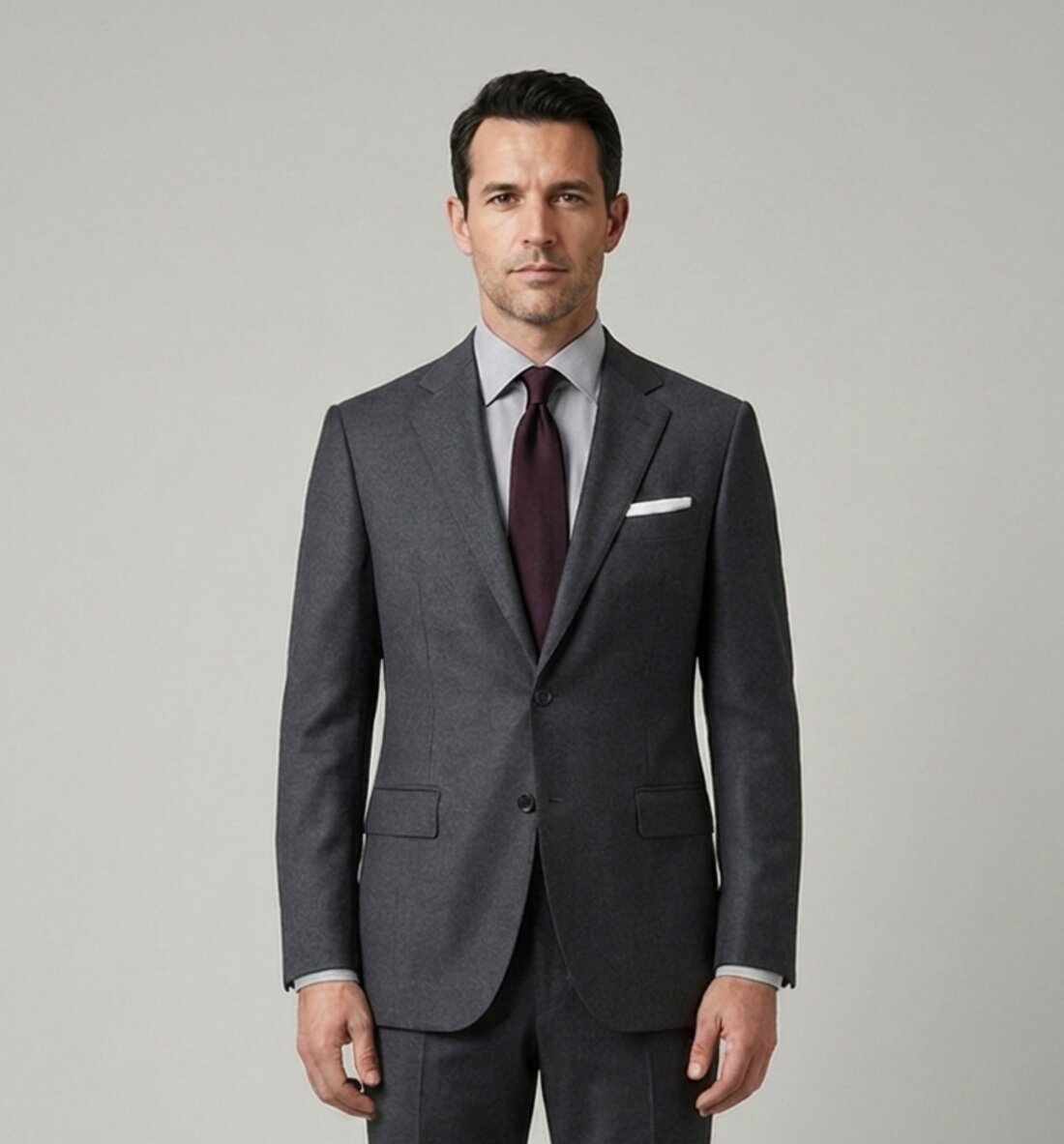
Trouser Fit Guide for Men: Why the Break, Seat, Rise and Thigh Matter More Than the Waist
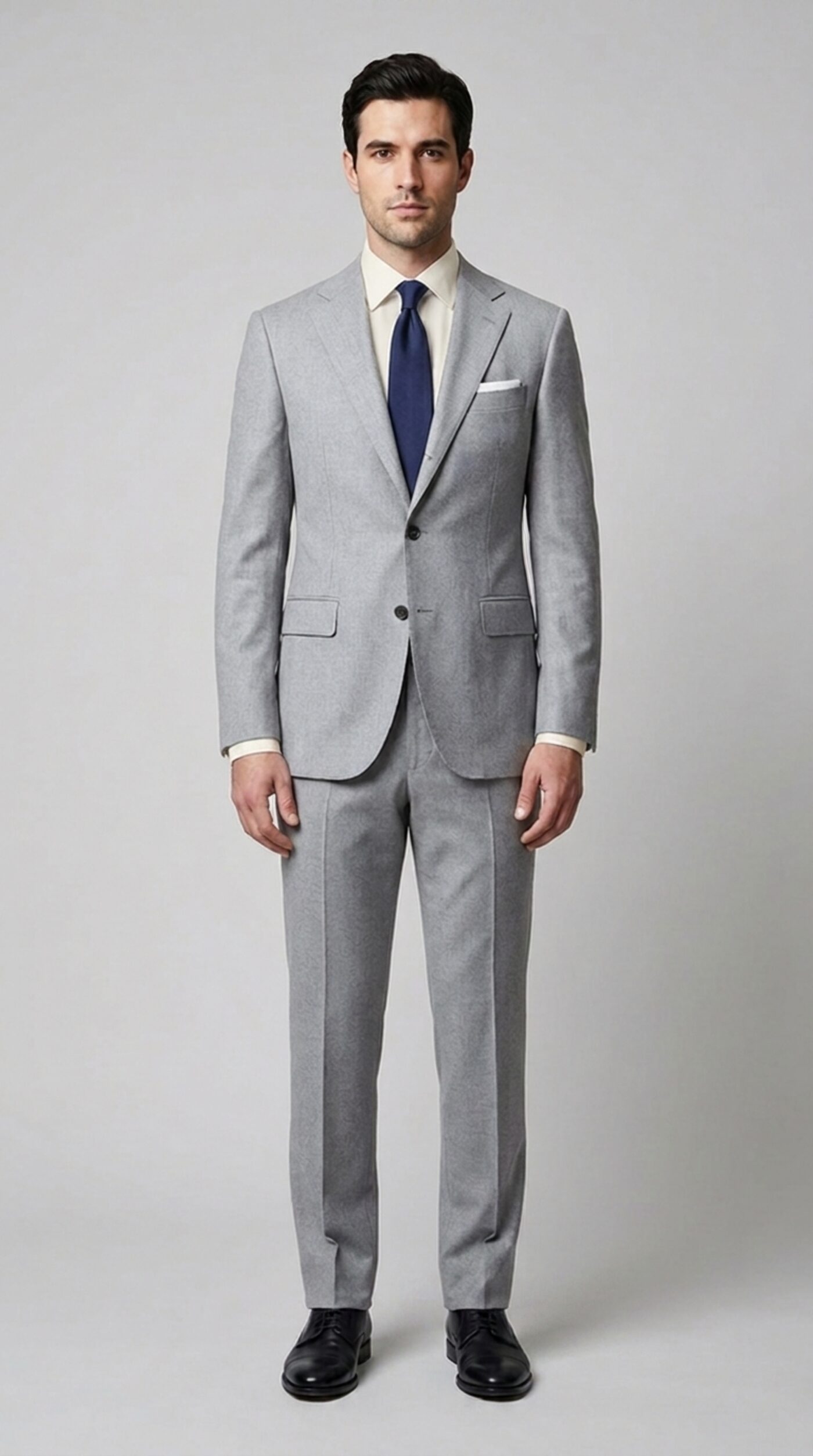
Trousers fit or fail on four measurements the label never shows: the seat, the thigh, the rise and the hem. Waist size is only where you start. A man with developed thighs and a trim waist cannot buy trousers that fit from a waist number, because rack trousers scale the thigh from the waist. Made-to-measure cuts each one separately.
When a pair of trousers does not fit, most men blame the waist size. It is the one measurement they know, the one on the label, and the first thing they check. In most cases the waist is not the problem. Trousers fit or fail on four numbers the label never shows: the seat, the thigh, the rise and the hem.
Here is what each one decides, in the order they usually go wrong, and what changes when trousers are cut to your measurements rather than to a size.
Why is waist size the least useful number?
A waist measurement tells you one thing: the circumference at the narrowest point of your torso. It says nothing about how the cloth sits across your seat, whether it fits through your thighs, where the rise lands, or how the leg falls from hip to floor.
Rack trousers get around that by assuming. A 34 waist comes with a thigh, a seat and a rise the pattern decided a 34 waist should have. If your body agrees, the trousers fit. If it does not, no size on the rail will, because every size makes the same assumption at a different scale.
What if you have big thighs and a small waist?
Then you have met the problem in its purest form. A man who trains, or who is simply built with a developed seat and thighs over a trim waist, cannot buy trousers from a waist number. The pair that fits the waist will not close over the thigh, the seat pulls, the creases disappear and the leg has no clean fall. The pair that fits the thigh leaves three or four inches of spare waistband, and while a tailor can take in an inch or two, past that the seat and the pockets pull out of line and it shows.
There is no alteration that adds cloth to a thigh cut too narrow. The trouser is structurally wrong for the body, and the fix is a trouser cut to the thigh and the waist separately, which is what the thigh measurement at a Cardero appointment is for. Our post on suits for an athletic build covers the same problem in the jacket, and muscle fit suits explains the drop, the chest-to-waist difference that rack suits cannot follow.
The seat
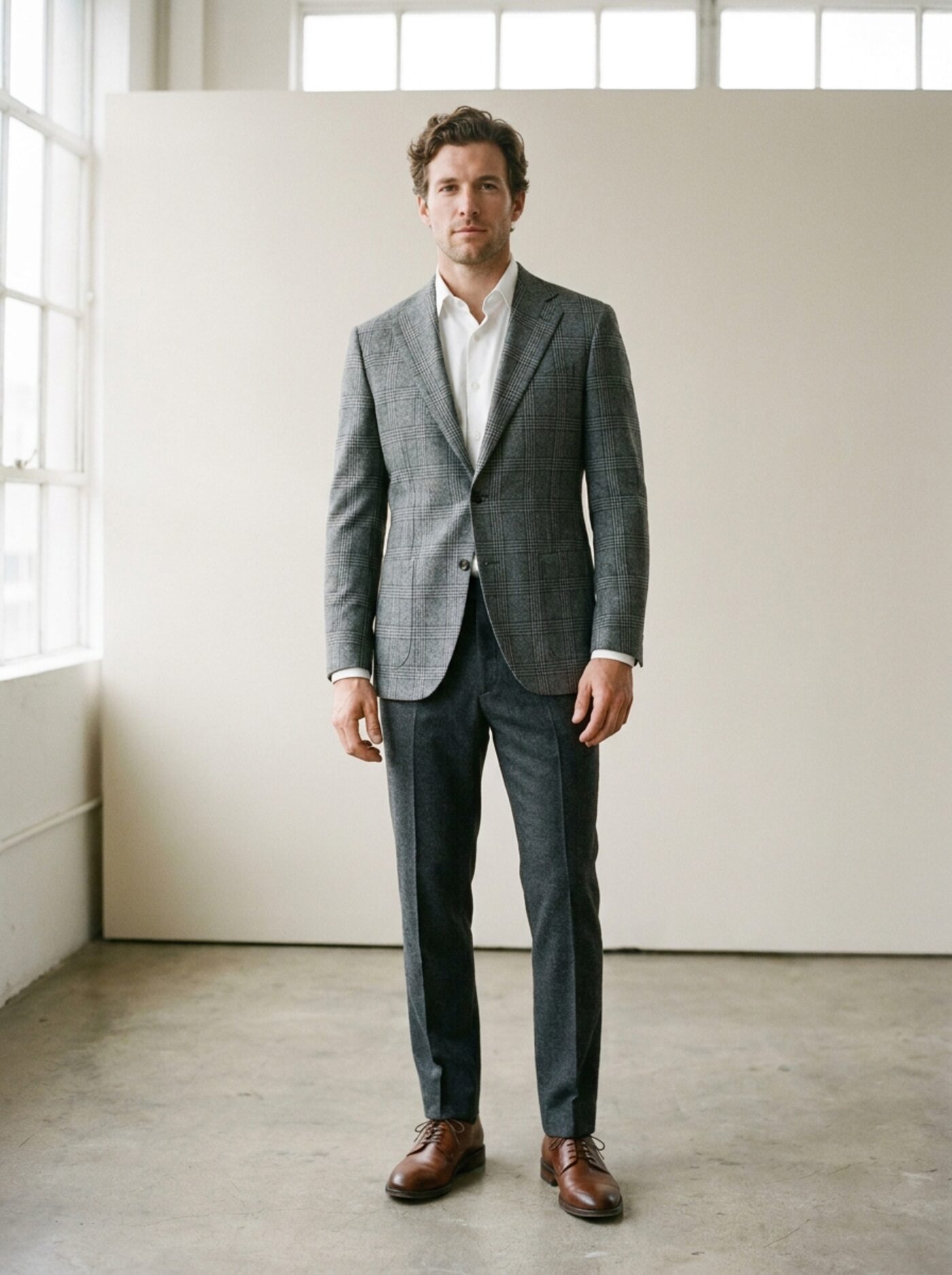
The seat is the circumference at the widest point of the hips and buttocks, and it decides how the trouser sits across the back half of your body. Too little seat in the trouser and the back pulls tight, the crotch seam rides up and the thighs are restricted. Too much and the back bags and bunches under the jacket.
The seat is measured separately from the waist and hips at our appointment, and the trouser pattern is built to both rather than to one.
The thigh
The thigh circumference is the measurement most often responsible for trouser failure, and not only in men who train. Rack trousers cut the thigh in proportion to the waist. For anyone whose legs are developed relative to their waist, or who simply carries more through the leg, that proportion fails and the thigh seams sit under tension all day. A custom trouser is cut to your thigh circumference, so the leg is built with the room your body needs and tapers cleanly from there.
The rise
The rise is the distance from the crotch seam to the waistband, and it decides where the trousers sit on your body. A standard rise sits at or just below the natural waist, which is the right place for a suit trouser and the most comfortable position for most men. A higher rise sits at the natural waist and suits a longer torso. A low rise sits on the hips and reads as casual.
Rack suit trousers come in one rise. If it does not match your torso, either shirt shows between the jacket hem and the waistband, or the trousers pull down toward your hips every time you sit. The rise is one of our 21 measurements and is cut to your torso, which is also what keeps the waistband where it should be when you sit down.
The break
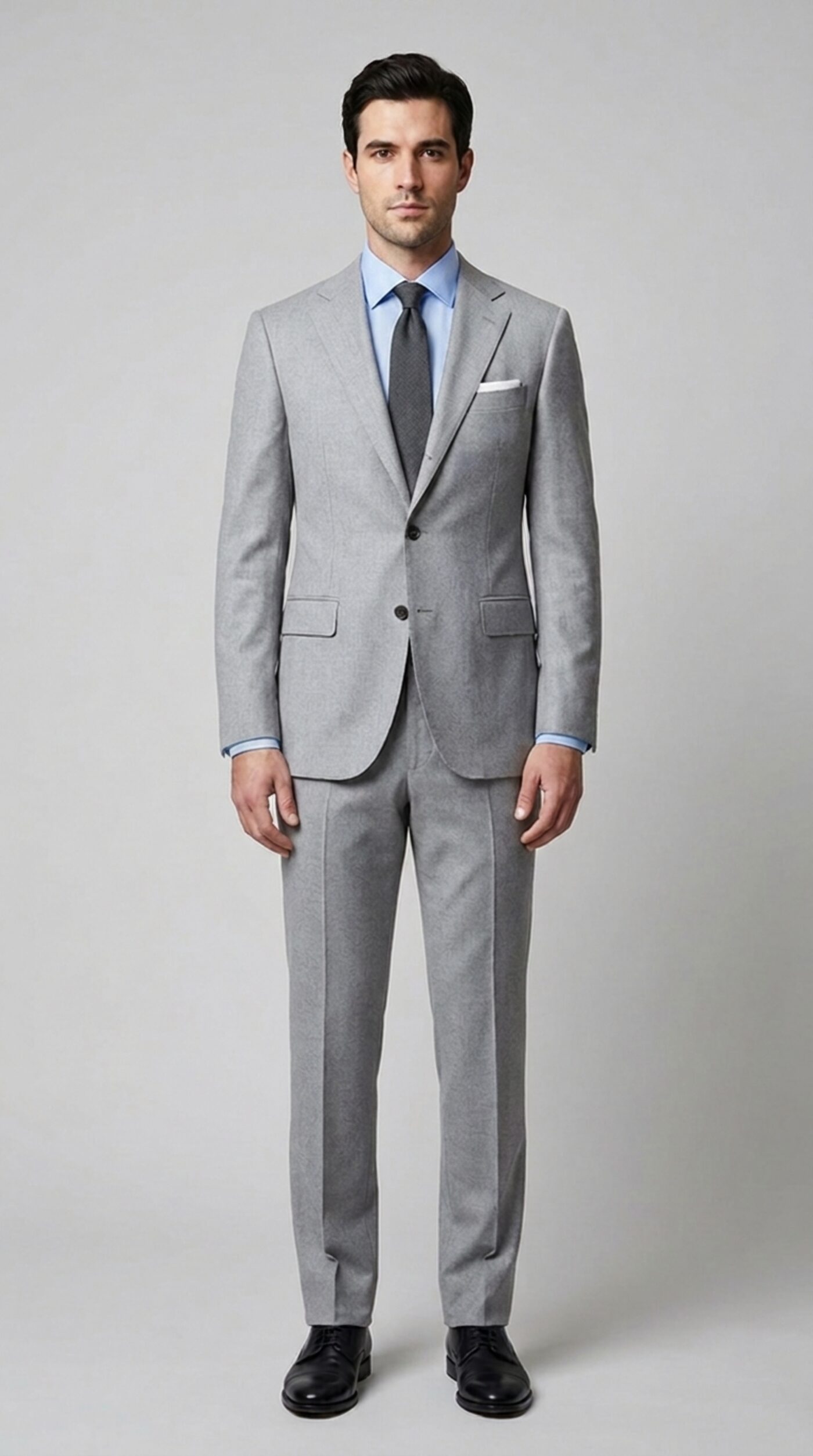
The break is the fold of cloth that rests on top of the shoe, and it is the most visible part of a trouser fit. No break means the hem falls at the top of the shoe with nothing resting on it, a clean look that suits slimmer trousers and loafers. A slight break is one small fold at the front of the shoe, the most versatile and classic length. A full break is a deep fold that reads traditional and formal.
The break comes from the hem length, which is cut to the break you choose and the shoes you will wear, so it is worth bringing those shoes to the appointment. The full picture of how the trousers meet the rest of the suit is in our guide to how a suit should fit.
Custom trousers versus altered off-the-rack
An alteration can take in the waist and adjust the hem. It cannot change the thigh, the seat or the rise without rebuilding most of the garment. A made-to-measure trouser is built to every one of those measurements at once, so it is right from the first wearing because it was cut for your body from the start.
FAQ
How should suit trousers fit?
Flat across the seat with no pulling, room through the thigh so the crease falls straight, a rise that keeps the waistband at your waist when you sit, and a hem that rests on the shoe with one slight break. The waist should close comfortably without a belt holding it up.
What do I do if I have big thighs and a small waist?
Stop shopping by waist size. Rack trousers scale the thigh from the waist, so no size fits both. Have trousers cut to your thigh and waist separately. A tailor can take a waist in by an inch or two, but cannot add cloth to a thigh.
What is the rise on trousers?
The distance from the crotch seam to the top of the waistband, which sets where the trousers sit on your body. A standard rise sits at or just below the natural waist. Too short a rise pulls the seat tight and drops the waistband when you sit.
How much break should suit trousers have?
A slight break, one small fold resting at the front of the shoe, suits most men and most shoes. No break works with slimmer trousers and loafers. A full break is more traditional. The hem is cut to the break you choose and the shoes you wear with the suit.
Not sure what to buy next? A Wardrobe Plan is forty-five minutes one to one with Derek Burbidge, our founder, working through what you already own, what suits your colouring and your work, and exactly what to add next. You leave with a written plan, and it works wherever you live.
Book Your Wardrobe Plan