Made-to-Measure vs Off-the-Rack: What's the Difference?
Made-to-Measure vs Off-the-Rack: What’s the Difference?
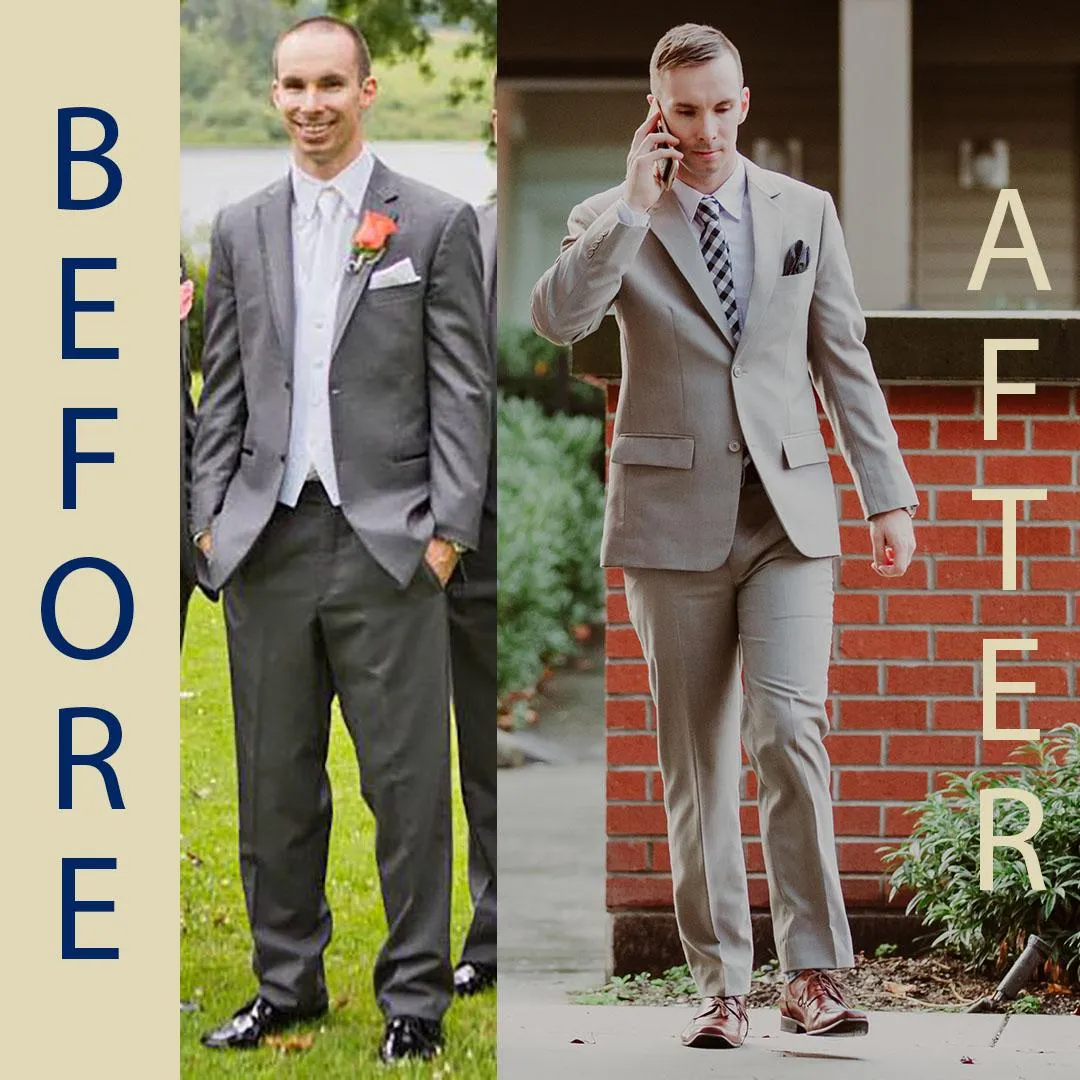
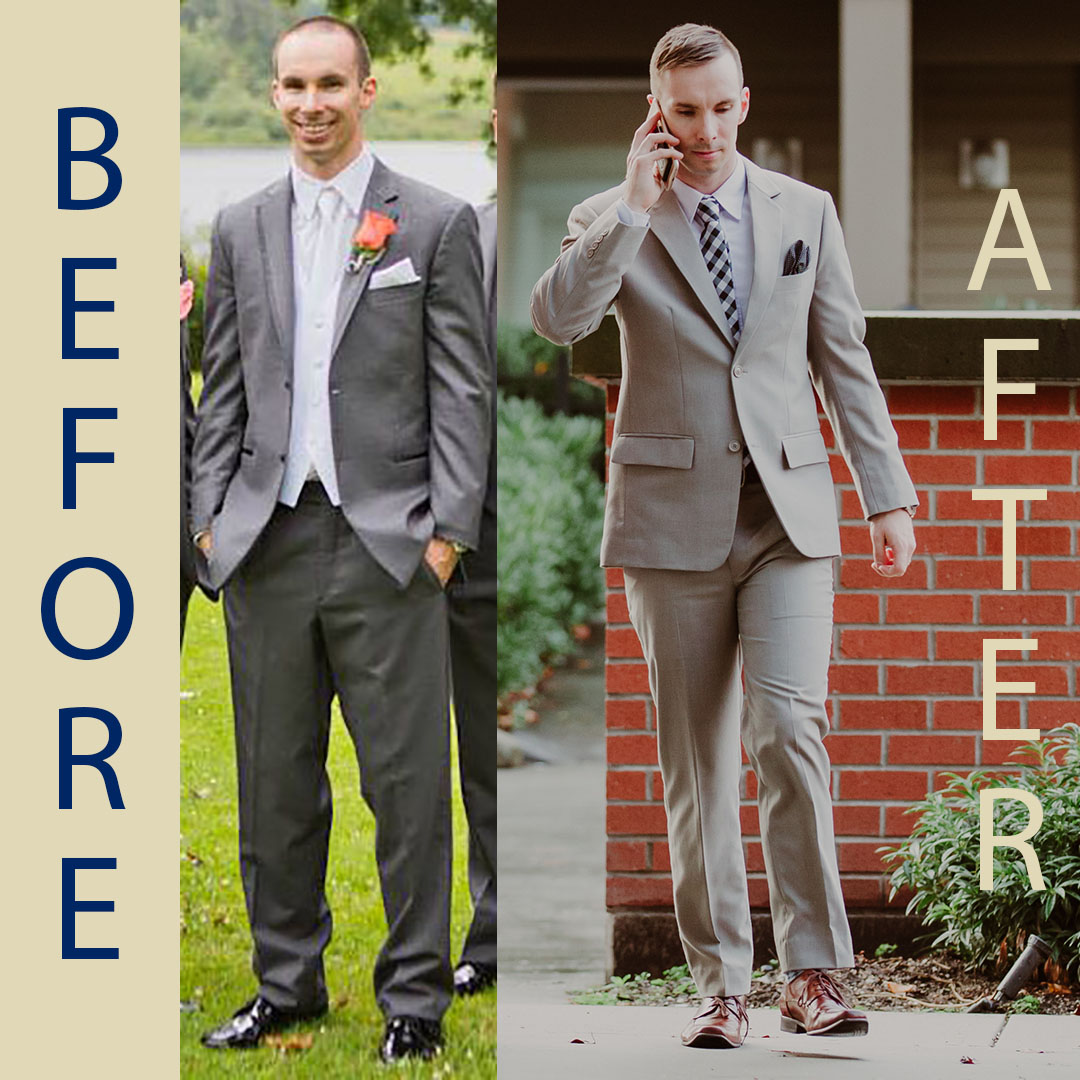
Made-to-measure suits are cut from a base pattern that’s adjusted to your specific measurements. Off-the-rack suits are pre-made in standard sizes. The practical difference is fit: a made-to-measure suit accounts for your actual proportions, your shoulder width, chest, posture, and build, while off-the-rack suits are designed to fit the statistical average, which most men are not.
I get this question almost every week. Men hear “made-to-measure” and aren’t sure if it means something genuinely different or if it’s just a fancier label. Here’s the real distinction.
What does made-to-measure actually mean?
Made-to-measure starts with a base pattern and adjusts it to a set of your measurements, typically 20 or more. The fabric is then cut and sewn to those adjusted specifications. At Cardero, we take 21 measurements and store them permanently on file. The result is a garment whose proportions are calibrated to your specific body, not a standard size that gets pushed closer to fit through alterations.
What is bespoke, and how is it different from made-to-measure?
Bespoke goes one step further — the pattern is drafted entirely from scratch around your body, with no base template at all. It typically involves multiple fittings over several months and costs $3,000 to $10,000 or more. Made-to-measure delivers the vast majority of the fit benefit at a fraction of the cost. For most men, the practical difference in day-to-day wear is not visible.
What’s wrong with off-the-rack?
Nothing is wrong with it categorically. The problem is that off-the-rack suits are engineered for averages. Broad shoulders with a lean waist, a longer torso, a muscular chest, these body types are almost impossible to fit in a standard size without significant alteration work. And alterations have limits. You can take in a waist or shorten a sleeve, but you cannot fix shoulders.
Is made-to-measure worth the extra cost?
That depends on what you’re comparing it to. If you’re buying professional workwear you’ll wear 100+ times over the next three to five years, the math changes significantly. A $899 suit you wear twice a week for three years costs you less per wear than a $500 suit that fits poorly and gets replaced in 18 months.
Beyond economics, there’s the confidence variable. Fit changes how you carry yourself. Men notice this after their first custom fitting in a way that’s hard to explain until you’ve experienced it.
How long does made-to-measure take?
At Cardero, production takes five to six weeks from the date of your appointment. Rush orders are available if needed. Once your measurements are on file, reorders take about 20 minutes and ship in approximately four weeks.
Frequently Asked Questions
What is the difference between made-to-measure and bespoke?
Made-to-measure adjusts a base pattern to your measurements. Bespoke drafts an entirely new pattern from scratch. For most men, made-to-measure provides excellent fit at a practical price point.
Can a tailor fix an off-the-rack suit to fit like custom?
A skilled tailor can improve an off-the-rack suit, but there are structural limits. Shoulder seams, chest canvas, and overall proportions cannot be fundamentally changed. Made-to-measure gets those right from the start.
How many measurements does Cardero take?
We take 21 measurements and store them permanently on file. Reorder appointments take about 20 minutes.
Where can I get a made-to-measure suit in the Fraser Valley?
Cardero Clothing has appointment-only studios in Langley, Abbotsford, and Coquitlam. Book a free consultation at book.carderoclothing.com.
