
Suit Lapel Styles Explained: Notch, Peak, and Shawl — Which Is Right for You
The lapel is the folded flap of fabric that runs from the collar to the first button of a jacket. Most men have worn suits without thinking much about it. The choice of lapel style, however, communicates something specific about formality, intentionality, and context. Here is what each style means and how to choose.
The Notch Lapel
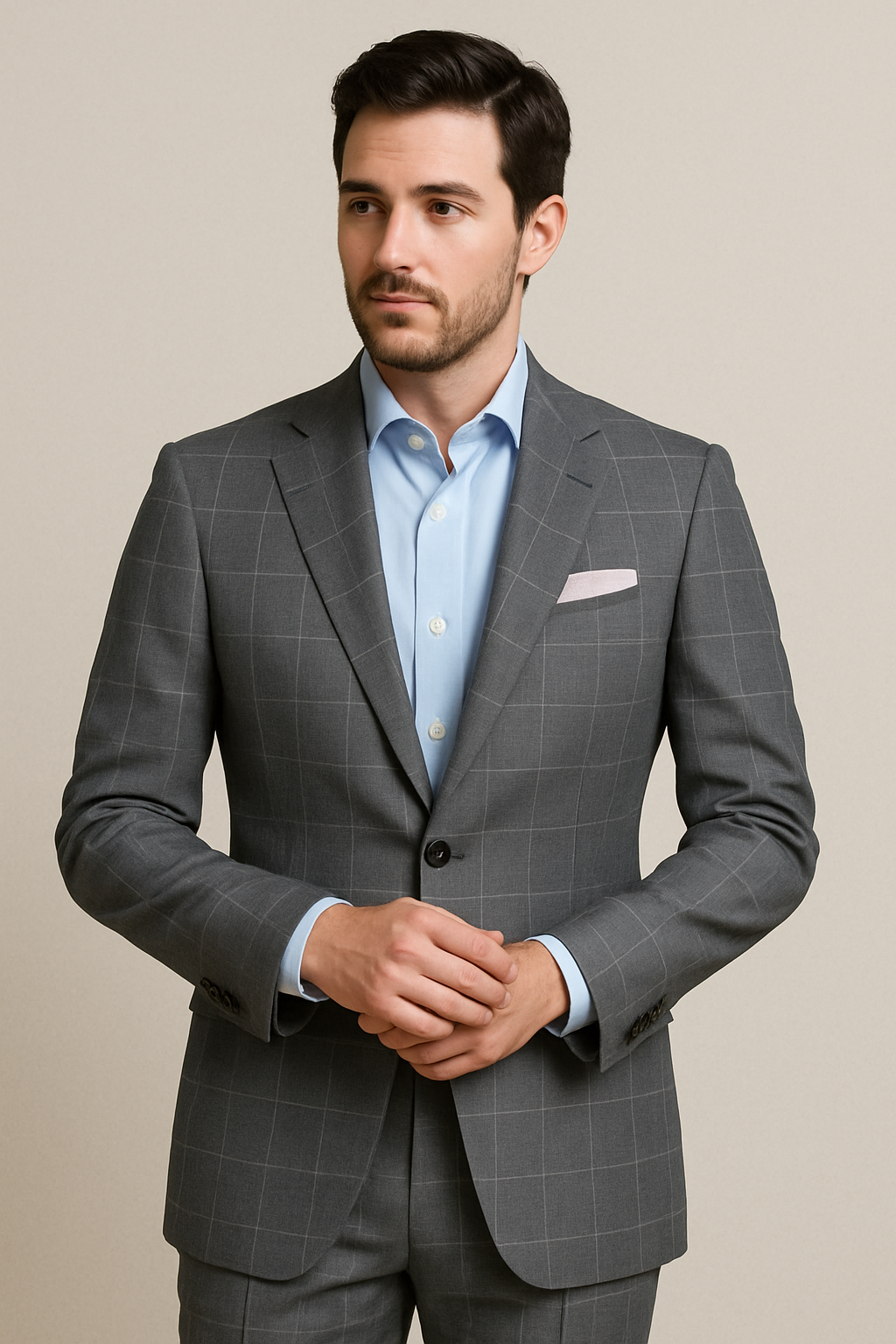
The notch lapel is the most common lapel style on business suits. It is identified by the triangular notch at the point where the lapel meets the collar. The V-shaped cut creates a clean, contained look.
Notch lapels read as professional, versatile, and conventional. They are appropriate for any business context. They are the safe choice and the right choice for most first and second suits.
Width matters with a notch lapel. A narrow lapel (under 2.5 inches) reads as fashion-forward and dates quickly as lapel width trends shift. A very wide lapel (over 3.5 inches) reads as either retro or very formal, depending on the width of the tie. The most durable choice is a medium lapel width in the 3 to 3.5 inch range, which corresponds roughly to the width of a standard necktie and sits well in proportion to most body types.
For most professional men in the Fraser Valley, a notch lapel in a medium width is the right choice for a first suit. It works across every professional context, ages without dating, and photographs correctly.
The Peak Lapel

The peak lapel is identified by the points that extend upward from the lapel toward the shoulders, past the collar seam. It creates a sharper, more formal silhouette than the notch.
Peak lapels are associated with double-breasted suits, tuxedos, and high-formality single-breasted suits. On a single-breasted jacket, a peak lapel adds intentional formality and is a clear style statement.
In professional contexts: peak lapels are appropriate for any business setting but carry a higher formality register. They read as decisive and deliberate. In creative or casual business environments, they may read as overdressed. In formal professional environments (law, finance, executive settings), they are entirely appropriate and often read as more polished than a notch.
For a man building a wardrobe, a peak lapel is typically the right choice for a second or third suit, once the versatile notch-lapel first suit is established. The peak adds a configuration that serves higher-formality occasions.
The Shawl Lapel
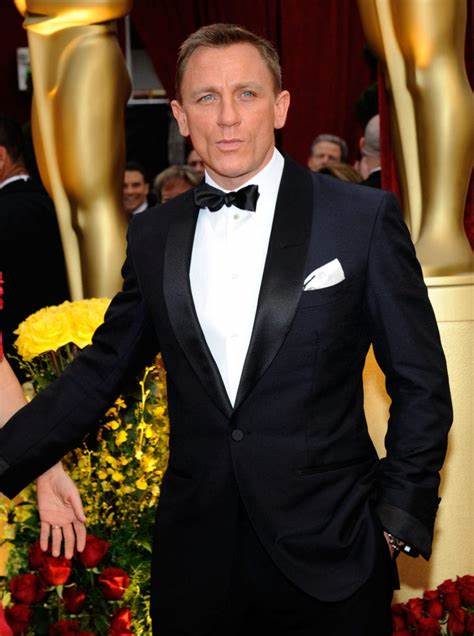
The shawl lapel is a continuous curved collar that runs from the back of the neck to the first button without the notch or peak cut. It is almost exclusively used on tuxedos and smoking jackets.
In a formal black-tie setting, a shawl lapel on a tuxedo is traditional and appropriate. On a business suit, it is almost never seen and would be conspicuous.
If you are ordering a tuxedo (Cardero offers a tuxedo conversion on any Super 120 or above suit for a $75 add-on), the shawl lapel is an option alongside the peak lapel. Shawl is more traditional and classic. Peak is sharper and slightly more modern in black-tie contexts. Both are correct.
Lapel Width and Body Proportions
Lapel width should be proportional to the body. A broader man in a very narrow lapel creates an imbalance. A slimmer man in a very wide lapel has the same problem.
The practical guide: the tip of the lapel should align roughly with the shoulder seam. The width of the lapel should roughly match the width of the tie knot at its widest point.
At a Cardero appointment, the lapel decision is made in the context of your shoulder width, chest width, and face shape. It is one of the design decisions that has meaningful impact on the final proportions of the garment.
Which Lapel Style for Which Suit
First suit: notch lapel, medium width. Maximum versatility.
Second suit or formal event suit: peak lapel, single-breasted. Adds formality and visual authority.
Tuxedo conversion: shawl or peak lapel depending on preference. Both traditional for black-tie.
The Lapel Decision at Your Appointment
Lapel style is one of the design decisions made during the design session at a Cardero appointment. Samples of each style are available to review. The decision is made in conversation, with the rest of the garment’s proportions and use case informing the choice.
Book a free appointment at book.carderoclothing.com.
Frequently Asked Questions
What is the difference between a notch lapel and a peak lapel?
A notch lapel has a triangular cut where the lapel meets the collar, creating a clean, contained look. It is the most common lapel on business suits and works across every professional context. A peak lapel has points that extend upward toward the shoulders, creating a sharper, more formal silhouette. It carries more authority and intentionality than a notch.
Which lapel style should you choose for a first suit?
A notch lapel in a medium width is the right choice for a first suit. It is appropriate in every professional setting, pairs with any tie width, ages without dating, and does not read as overdressed in casual business environments. Maximum versatility is the priority for a first suit.
When is a peak lapel appropriate?
A peak lapel is appropriate in any business setting but carries a higher formality register. It reads as decisive and deliberate. It works well for men in law, finance, executive roles, or any environment where formal authority is a professional signal. For most men it is the right choice for a second or third suit, once a versatile notch-lapel first suit is established.
What is a shawl lapel and when do you wear it?
A shawl lapel is a continuous curved collar with no notch or peak cut. It is almost exclusively used on tuxedos and smoking jackets. In a black-tie setting it is traditional and appropriate. On a business suit it would be conspicuous. If you are ordering a tuxedo, the choice is between shawl and peak: shawl is more traditional, peak is slightly more modern.
How do you choose the right lapel width?
The tip of the lapel should align roughly with the shoulder seam, and the width should roughly match the widest point of the tie knot. A very narrow lapel on a broader man creates visual imbalance, as does a very wide lapel on a slimmer frame. The most durable choice for most men is a medium width in the 2.75 to 3.25 inch range.